
Sleep apnea is a serious medical condition where a person’s breathing repeatedly stops and starts while they sleep. It can result in fragmented sleep and low blood oxygen levels, leading to various health complications. This condition is often undiagnosed cpap hk the person affected may not be aware of the disruptions in their breathing. In this article, we’ll explore the causes, symptoms, and treatment options for sleep apnea, as well as how it can impact overall health.
The most common type of sleep apnea is obstructive sleep apnea (OSA), which occurs when the muscles in the throat relax excessively during sleep. This relaxation narrows or blocks the airway, causing brief interruptions in breathing. Another form, called central sleep apnea, happens when the brain fails to send proper signals to the muscles that control breathing. The third type, complex sleep apnea syndrome, is a combination of both obstructive and central sleep apnea.
The primary risk factors for sleep apnea include obesity, as excess weight can contribute to fatty deposits around the neck and throat, making it harder to breathe. Other factors such as age, family history, alcohol use, smoking, and gender also play a significant role. Men are more likely to develop sleep apnea, although the risk for women increases after menopause. People who have narrow airways, such as those with enlarged tonsils or a small jaw, may also be more susceptible to this condition.
The symptoms of sleep apnea can vary, but they typically include loud snoring, choking or gasping for air during sleep, and excessive daytime fatigue. These symptoms are often noticed by a partner or family member. People with sleep apnea frequently experience restless sleep, waking up several times throughout the night, and difficulty staying asleep. They may also suffer from morning headaches, difficulty concentrating, irritability, and even depression.
Diagnosing sleep apnea usually involves a sleep study, also known as polysomnography, which records various body functions, including brain activity, eye movement, muscle activity, heart rate, and oxygen levels during sleep. Home sleep tests are also available for some cases, though they are typically used for diagnosing obstructive sleep apnea rather than other forms.
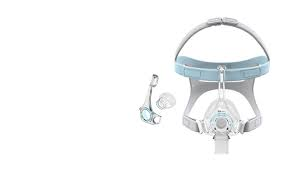
Treatment for sleep apnea often begins with lifestyle changes such as weight loss, avoiding alcohol, and quitting smoking. For people with moderate to severe cases, the most common treatment is Continuous Positive Airway Pressure (CPAP) therapy. This device delivers a constant stream of air through a mask worn over the nose and/or mouth, keeping the airways open. In some cases, dental appliances may be used to reposition the jaw and keep the airway clear. Surgery may be recommended for those with structural issues in the airway, such as enlarged tonsils or a deviated septum.
In addition to CPAP therapy, there are other options for managing sleep apnea. For individuals with mild cases, lifestyle modifications like regular exercise, sleeping on their side, and using nasal strips to reduce airway congestion can be beneficial. Patients with more severe forms may require surgery to remove excess tissue in the throat or reposition the jaw. However, surgery is typically considered a last resort after other treatments have been exhausted.
Left untreated, sleep apnea can lead to serious health problems such as high blood pressure, heart disease, stroke, and diabetes. It can also impair cognitive function and affect mood, leading to an overall decrease in quality of life. Therefore, it’s important to seek medical attention if sleep apnea is suspected.
