
Proper drainage systems are essential to maintaining healthy and functional living spaces. When drains are neglected, they become prone to blockages, foul 專業通渠 , and even structural damage to homes and buildings. Drainage cleansing is the process of removing debris, grease, dirt, and other obstructions from pipes and drainage lines to ensure smooth water flow. Whether it’s a residential property, commercial building, or public infrastructure, regular cleaning of drainage systems prevents costly repairs and ensures the safety of the environment.
At the most basic level, drainage systems are designed to carry wastewater and rainwater away from living areas. When these pathways get clogged, water cannot flow freely, which often leads to stagnant pools, flooding, and contamination risks. The need for proper drainage cleansing has become more critical in modern cities due to increasing waste production and urbanization. A clean drainage system not only supports hygiene but also prolongs the lifespan of plumbing infrastructure.
Why Drainage Cleansing is essential
One of the primary reasons homeowners and businesses should prioritize drainage cleansing is to prevent blockages. Over time, drains accumulate hair, grease, food particles, soap residue, and even mineral deposits. These substances stick to the pipe walls and gradually narrow the water passage. Once a blockage forms, it can cause slow drainage, backups, or overflows that disrupt daily routines. In severe cases, neglected drains may lead to flooding, which damages flooring, walls, and valuable belongings.
Another important factor is odor control. Clogged or dirty drains emit unpleasant smells due to the buildup of organic matter and bacteria. These odors can spread throughout a house or building, creating an uncomfortable environment. Routine drainage cleansing eliminates these deposits before they decay and release foul odors. In addition, maintaining clean drains helps control pests such as cockroaches and drain flies, which thrive in stagnant, dirty water.
From an environmental perspective, proper drain maintenance reduces the risk of water contamination. When blockages occur, untreated wastewater can leak into soil, rivers, or groundwater supplies. This contamination threatens aquatic life and can also pose health hazards to communities. By regularly investing in drainage cleansing, both individuals and municipalities contribute to cleaner water systems and sustainable urban living.
Methods of Drainage Cleansing
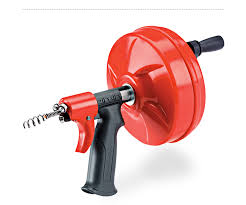
There are several techniques used for drainage cleansing, each suited to different types of blockages and system conditions. The most common method is manual cleaning using plungers, drain snakes, or augers. These tools break up small clogs and allow water to pass through. For more stubborn blockages, plumbers often rely on hydro-jetting, which uses high-pressure water streams to clear grease, dirt, and mineral buildup along pipe walls. This method not only clears blockages but also thoroughly cleans the entire pipe interior.
Chemical cleaners are another option, though they should be used with caution. While they can dissolve certain materials like hair and grease, overuse may damage pipes or negatively affect the environment. A safer approach is the use of enzyme-based cleaners, which naturally break down organic material without harming pipes or ecosystems. For large-scale drainage networks in cities, mechanical machines and vacuum trucks are used to remove sludge and debris from storm drains and sewer lines.
In modern times, technology has greatly enhanced drainage cleansing practices. CCTV drain surveys, for example, allow plumbers to insert cameras into pipes to identify the exact location and cause of a blockage. This reduces guesswork and ensures targeted cleaning, saving time and money. Robotic cleaners are also becoming popular in industrial and municipal drainage systems, capable of navigating long pipelines and performing thorough cleaning operations.
Benefits of Regular Drainage Cleansing
Scheduling routine drainage cleansing provides long-term benefits that go beyond immediate convenience. First, it extends the lifespan of plumbing systems. Clean pipes experience less strain and corrosion, reducing the risk of leaks or costly replacements. Second, it saves money by preventing major repairs. Emergency plumbing services for severe blockages or flood damage can be extremely expensive, whereas preventative maintenance is more affordable.
Health and safety are additional benefits. Clogged drains often harbor bacteria, mold, and harmful gases such as methane and hydrogen sulfide. These pose health risks to residents and workers. By keeping drains clean, the risk of respiratory issues, skin infections, and pest infestations is minimized. Furthermore, smooth-flowing drains ensure efficient wastewater disposal, which is vital for maintaining sanitary living conditions in both urban and rural areas.
For businesses, particularly restaurants, hotels, and healthcare facilities, clean drainage systems are essential for compliance with health and safety regulations. A clogged or dirty drainage system can lead to failed inspections, reputational damage, and even legal consequences. Routine drainage cleansing ensures that these establishments maintain high standards of hygiene and remain operational without disruptions.
Best practices for Drainage Maintenance
While professional drainage cleansing is sometimes necessary, individuals can take preventive steps to keep drains in good condition. One of the simplest habits is to avoid disposing of grease, oil, or large food particles in kitchen sinks. Instead, grease should be collected in containers and disposed of properly. In bathrooms, using drain covers can prevent hair and soap scum from entering the pipes. Regularly flushing drains with hot water also helps dissolve minor buildups before they become problematic.
Natural cleaning solutions like baking soda and vinegar can be used periodically to refresh drains and prevent odors. These eco-friendly methods reduce reliance on harsh chemicals while keeping pipes clear. It’s also wise to schedule professional inspections at least once a year, especially in older properties or areas prone to heavy rainfall. Such proactive maintenance ensures that any hidden issues are addressed before they escalate into emergencies.
Conclusion
In today’s fast-paced world, many people overlook the importance of maintaining their drainage systems. However, the consequences of neglect can be severe, ranging from foul odors and blockages to water damage and health hazards. Regular drainage cleansing is an effective way to ensure that drains remain functional, safe, and environmentally friendly. With advanced techniques such as hydro-jetting and CCTV inspections, homeowners and municipalities now have efficient solutions for keeping drainage systems in top condition.
Ultimately, investing time and resources in drainage cleansing is a proactive step that saves money, protects health, and promotes cleaner communities. Just as we prioritize cleanliness in our homes and workplaces, we must also extend the same attention to the unseen networks of pipes and drains that support modern life. By doing so, we ensure smooth water flow, prevent disasters, and contribute to a healthier environment for future generations.
