
Printing has been one of the most transformative inventions in human history, changing the way societies communicate, share knowledge, and conduct business. From the earliest woodblock prints to the advanced digital presses of today, printing has served as the backbone of information exchange. It has influenced education, culture, politics, and commerce in 印刷 ways. In the modern era, printing is not only a tool for mass communication but also a medium for creativity and innovation. Understanding its history, applications, and evolving role in the digital age highlights its continued importance despite the rise of virtual media.
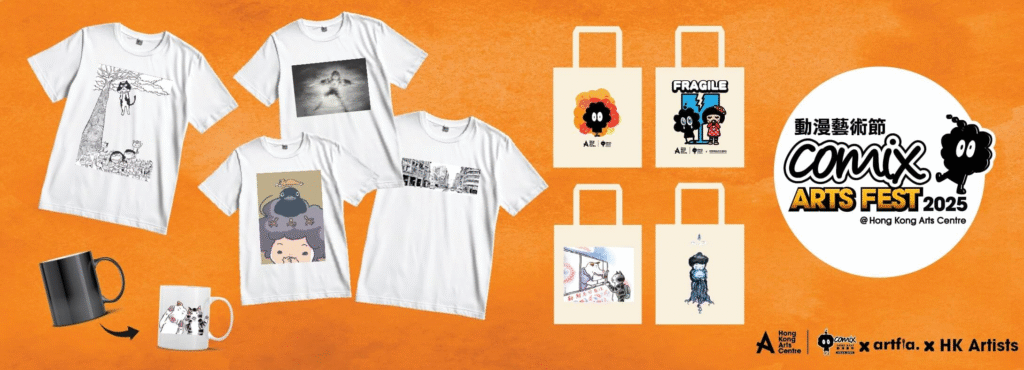
The origins of printing can be traced back thousands of years. The earliest known printing techniques were developed in China during the Tang dynasty around the 7th century, with woodblock printing being the most widely used method. This involved carving characters into wooden blocks, inking them, and pressing them onto paper or cloth. In the 15th century, Johannes Gutenberg revolutionized printing in Europe by inventing the movable-type printing press. His innovation allowed for the mass production of books, drastically reducing their cost and making knowledge more accessible to common people. The Gutenberg Bible remains one of the most famous works produced during this time and represents the dawn of mass communication in Europe. This invention contributed significantly to the spread of literacy, scientific knowledge, and cultural ideas, shaping the Renaissance and paving the way for the Enlightenment.
Over the centuries, printing technology continued to evolve. In the 19th century, industrial printing presses enabled newspapers, magazines, and books to be produced on a massive scale, fueling the growth of public education and journalism. The lithographic process introduced in the late 18th century, followed by offset printing in the early 20th century, further improved efficiency and quality. These methods made it possible to print in color, giving rise to vibrant advertising, packaging, and art reproductions. By the mid-20th century, printing had become an indispensable part of modern society, serving industries ranging from publishing and education to commerce and government. Even today, many of the most important documents—such as contracts, currency, and official records—continue to rely on print for permanence and authenticity.
In the digital age, some predicted the decline of printing, expecting digital screens and online communication to replace paper entirely. However, printing has not only survived but adapted to new demands. Digital printing technologies, such as inkjet and laser printing, have transformed the industry by allowing smaller print runs, faster production, and greater customization. Unlike traditional offset printing, digital methods do not require printing plates, making them cost-effective for short-run projects. This innovation has been especially valuable in marketing and packaging, where personalized content can increase customer engagement. For instance, companies now print custom labels, targeted advertisements, and even unique product packaging tailored to specific customers. Printing has also merged with new technologies like 3d printing, which allows physical objects to be created layer by layer from digital models. This breakthrough has opened new horizons in manufacturing, healthcare, and engineering, expanding the meaning of printing beyond paper and ink.
Despite the dominance of digital media, printed materials continue to hold unique advantages. A printed book, brochure, or magazine offers a tactile experience that screens cannot replicate. Studies have shown that people often comprehend and retain information better when reading from paper compared to digital devices. Printed products are also perceived as more trustworthy and professional, which is why businesses still rely on printed business cards, reports, and promotional materials. Furthermore, print marketing has proven to be highly effective in capturing consumer attention, as physical advertisements like flyers, banners, and billboards provide visibility that digital ads may lack in today’s crowded online environment. Printing also plays a critical role in branding, as high-quality packaging and labels enhance a company’s image and influence purchasing decisions.
Looking forward, the future of printing lies in sustainability and innovation. With growing environmental concerns, the industry has been shifting toward eco-friendly practices such as using recycled paper, soy-based inks, and energy-efficient printing processes. Advances in technology are also enabling on-demand printing, reducing waste by producing only what is needed. Meanwhile, hybrid printing techniques that combine digital and traditional methods are offering new opportunities for high-quality yet cost-effective production. The rise of 3d printing continues to expand the scope of the industry, allowing for the creation of prosthetics, architectural models, and even food products. These developments show that printing is far from obsolete; instead, it is evolving to meet the needs of a modern, technology-driven society.
In conclusion, printing has played a pivotal role in shaping human history and continues to be a vital part of daily life. From its ancient origins in China to Gutenberg’s groundbreaking press and the modern digital revolution, printing has constantly adapted to cultural and technological changes. It remains a powerful tool for education, communication, and commerce, offering both practical and creative benefits. While digital technologies have transformed the way information is shared, printing maintains its unique value by providing permanence, tangibility, and trust. As new innovations like sustainable practices and 3d printing reshape the industry, printing’s relevance will only continue to grow. Far from being outdated, printing stands as a testament to human ingenuity and the enduring need for tangible forms of expression and communication.
