
Perfume has captivated human senses for centuries, blending art, science, and emotion into a single sensory experience. From ancient Egypt to modern fashion houses in Paris, perfume has transcended cultural and historical boundaries to become a staple of byredo 香水 identity. It is not merely a fragrance, but a story—a memory encased in a bottle, ready to be unlocked with each spray.
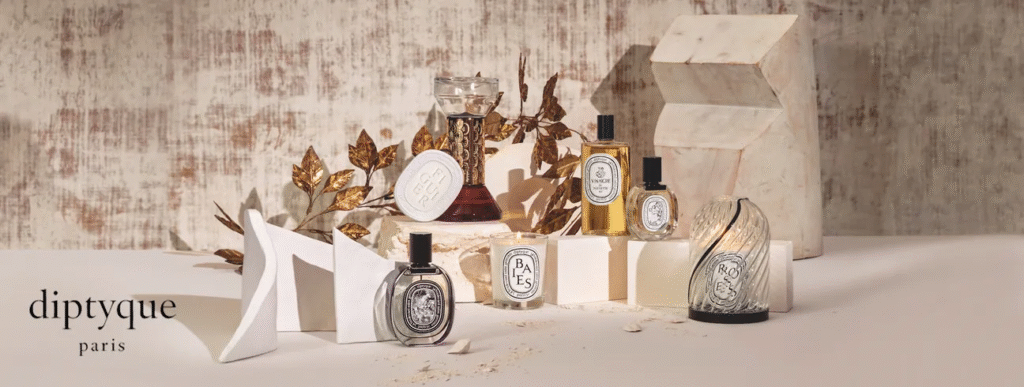
The origins of perfume trace back to ancient civilizations where aromatic oils were used for religious rituals, beauty treatments, and even embalming. Egyptians are credited as some of the earliest perfumers, using ingredients like myrrh, frankincense, and cinnamon in their blends. As time progressed, the art of perfumery spread across continents, evolving into a sophisticated practice in medieval Arabia, Renaissance Europe, and eventually, into the global industry we know today. The word “perfume” itself derives from the Latin “per fumum, ” meaning “through smoke, ” a nod to its beginnings in incense and rituals.
Modern perfumes are a delicate fusion of natural and synthetic elements. A single perfume can contain dozens or even hundreds of ingredients. These are grouped into three main layers: top, middle, and base notes. The top notes are what you smell immediately upon application—usually light and refreshing. As they fade, the middle notes emerge, giving the perfume its core character. Finally, the base notes settle in, often richer and deeper, lingering for hours. This layered complexity is what makes perfume such a dynamic and evolving experience throughout the day.
Perfume plays a vital role in self-expression. Just as clothing and hairstyles are extensions of personality, scent can be an invisible signature. Some people are drawn to fresh citrus notes that suggest energy and vitality, while others may prefer warm, spicy tones that evoke sophistication and sensuality. Perfume can also be used to influence mood—certain scents are known to relax, invigorate, or even improve focus. In professional settings, a subtle fragrance can enhance confidence, while in social or romantic scenarios, it can leave a lasting impression.
The perfume industry has also become a canvas for creativity and innovation. Major fashion designers and celebrities have launched signature scents, turning perfume into a lifestyle accessory. Niche and artisanal perfumeries are also on the rise, offering bespoke creations that cater to more individualized tastes. Sustainability and ethical sourcing are now important topics in perfumery, with more consumers seeking cruelty-free, vegan, and eco-friendly options.
In conclusion, perfume is far more than a cosmetic product; it is a deeply personal and evocative art form. It connects us to memories, influences our emotions, and defines our presence without uttering a single word. Whether you favor bold, dramatic scents or soft, airy florals, the right perfume has the power to enhance your identity and leave an unforgettable mark. As trends come and go, the allure of perfume remains timeless, ever-evolving, and universally cherished.
