
Luxury brands have long symbolized status, refinement, and exclusivity. Rooted in heritage and defined by craftsmanship, these brands go beyond the utility of the products they offer. Whether in fashion, automotive, watches, or even hospitality, luxury names chanel 香港 a lifestyle—one grounded in aspiration and often unattainable to the masses. From Louis Vuitton to Rolls-Royce, such brands represent the pinnacle of quality and brand storytelling.
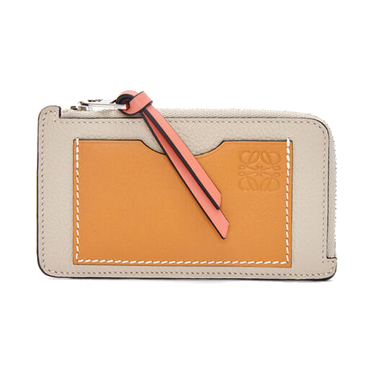
What sets luxury brands apart is their unwavering commitment to quality and detail. Unlike mass-market goods, luxury products are often handmade, crafted from rare materials, and meticulously inspected for perfection. A Hermès Birkin bag, for instance, can take days to create, with each stitch overseen by expert artisans. Similarly, a Patek Philippe watch is not just a timepiece; it’s a complex work of mechanical art, often passed down through generations. This dedication ensures that the product’s value extends far beyond its initial purchase.
Brand legacy also plays a critical role in the luxury sector. Many of the most respected luxury names have storied pasts, sometimes tracing back centuries. This heritage instills a sense of timelessness and trust among consumers. For example, Chanel’s association with elegance and rebellion is not just about the brand’s logo, but about Coco Chanel’s revolutionary influence on women’s fashion. Similarly, Ferrari’s legacy in racing continues to inspire every vehicle that rolls off the production line. Consumers are not just buying an item; they’re buying a piece of history.
Luxury brands also rely heavily on scarcity and exclusivity as part of their strategy. Limited editions, invitation-only collections, and waitlists help maintain a sense of desirability. By not catering to everyone, luxury brands elevate their status. This exclusivity is also reflected in marketing approaches—celebrity endorsements, private showings, and high-fashion runway events are carefully curated to reinforce a brand’s elite standing.
In an age of increasing globalization and digital transparency, luxury brands face new challenges. The rise of social media has changed how exclusivity is perceived, while counterfeit markets threaten brand integrity. However, many brands are adapting by embracing digital storytelling, investing in sustainability, and personalizing customer experiences. Despite evolving consumer expectations, the essence of luxury—craftsmanship, legacy, and scarcity—remains timeless. These elements continue to fuel the fascination and aspiration that luxury brands inspire worldwide.
