
Furniture has been an integral part of human life for mon 臂架 , evolving from simple functional pieces to sophisticated designs that reflect culture, style, and comfort. More than just objects to sit, sleep, or work on, furniture represents a blend of functionality and artistry. It is central to the way we design and experience our homes, offices, and public spaces. From ancient carved wooden stools to modern minimalist designs, furniture continues to shape lifestyles and influence how people interact with their environment.
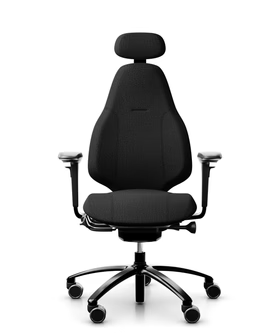
Furniture is not just about utility; it carries aesthetic and emotional value. A dining table, for example, is not merely a surface for meals but often a gathering place for families to bond. Similarly, a well-designed chair can provide not only physical support but also a sense of relaxation and belonging. The role of furniture extends far beyond mere necessity—it creates atmosphere, adds character, and reflects the personality of the owner.
The Historical Journey of Furniture
The history of furniture dates back thousands of years, tracing human ingenuity and creativity. In ancient Egypt, furniture was a symbol of status, with pharaohs and elites owning ornate beds, chairs, and chests made from precious woods and metals. The Greeks and Romans further advanced furniture design, emphasizing both comfort and luxury, introducing innovations like the reclining couch for banquets.
In the middle Ages, furniture was more functional and robust, made to withstand long use. During the Renaissance, furniture became a canvas for artistic expression, showcasing elaborate carvings, inlays, and intricate designs. The Industrial Revolution in the 18th and 19th centuries revolutionized furniture production, making pieces more affordable and widely accessible through mechanized manufacturing. Today, the industry blends traditional craftsmanship with modern technology, producing furniture that balances style, affordability, and sustainability.
Furniture in Modern Living
In contemporary society, furniture has become more than a household necessity—it is an expression of lifestyle. Minimalist furniture, for instance, emphasizes clean lines and simplicity, reflecting a modern desire for clutter-free and functional living. On the other hand, luxury furniture brands focus on elegance and exclusivity, catering to consumers who value craftsmanship and design innovation.
The rise of urban living has also influenced furniture trends. With smaller apartments and homes, multifunctional furniture has gained popularity. Items such as sofa beds, foldable tables, and modular shelving systems maximize space without compromising comfort. Additionally, ergonomic office furniture has become increasingly important as remote work becomes more common, ensuring health and productivity.
Furniture also reflects cultural preferences. Scandinavian designs are famous for their simplicity and light tones, while Asian furniture often highlights harmony, balance, and natural elements like bamboo. American styles tend to blend functionality with bold design choices. Each cultural influence adds to the global diversity of furniture styles, offering consumers endless possibilities.
The Role of Sustainability in Furniture
In recent years, sustainability has become a major focus in furniture design and production. Consumers are increasingly conscious of environmental issues, and many prefer eco-friendly furniture made from recycled or renewable materials. Companies are responding by adopting sustainable practices such as using reclaimed wood, bamboo, and natural fibers, as well as promoting longevity over fast, disposable furniture.
The concept of “slow furniture” has gained traction, emphasizing durability and timeless design rather than temporary trends. This shift encourages investment in high-quality pieces that last for generations. In addition, advances in technology have introduced innovative solutions such as 3D-printed furniture, which reduces waste and allows for custom designs. The balance between sustainability and functionality is becoming the new standard in the industry.
Furniture as a Reflection of Identity
Beyond its physical role, furniture often symbolizes personal identity and lifestyle choices. A person who chooses vintage furniture may be expressing nostalgia or appreciation for history, while someone who prefers sleek, modern designs may be embracing a forward-looking mindset. Homes and workspaces are often reflections of their owners, and furniture plays a pivotal role in shaping that impression.
Interior designers frequently highlight how furniture sets the tone of a room. For instance, a leather sofa can add sophistication, while a colorful fabric couch can bring warmth and energy. Similarly, a wooden dining table evokes tradition, while a glass-top table suggests modernity and openness. The choices people make regarding furniture often represent their values, tastes, and aspirations.
The future of Furniture
Looking ahead, furniture will continue to evolve alongside societal changes. Smart furniture, integrated with technology, is already becoming a reality. Desks with built-in wireless charging, beds with sleep monitoring systems, and voice-controlled lighting systems integrated into furniture represent the merging of functionality with technology. As homes and offices become “smarter, ” furniture will play a crucial role in creating interactive and efficient environments.
Customization will also define the future of furniture. Consumers increasingly desire unique pieces that suit their specific needs, from size and color to materials and finishes. Digital tools and augmented reality now allow customers to visualize how furniture will look in their spaces before purchasing, making the process more personal and satisfying.
Globalization will further influence furniture trends, blending cultural styles and ideas into hybrid designs. The future may also see advancements in materials, such as bioengineered wood, lightweight composites, and other eco-friendly alternatives, making furniture not only stylish but also sustainable and innovative.
Conclusion
Furniture has always been more than functional—it is an extension of human creativity, culture, and lifestyle. From ancient wooden chests to contemporary modular designs, furniture reflects the journey of civilization and its evolving needs. It shapes how we live, interact, and express ourselves. In the modern era, sustainability, technology, and personalization are transforming the way we view and use furniture, ensuring it remains central to our lives.
Ultimately, furniture is not just about filling a space—it is about creating comfort, beauty, and meaning within it. Whether through a simple chair, an elegant bed, or a futuristic smart desk, furniture continues to enhance spaces and shape the way we experience life.
