
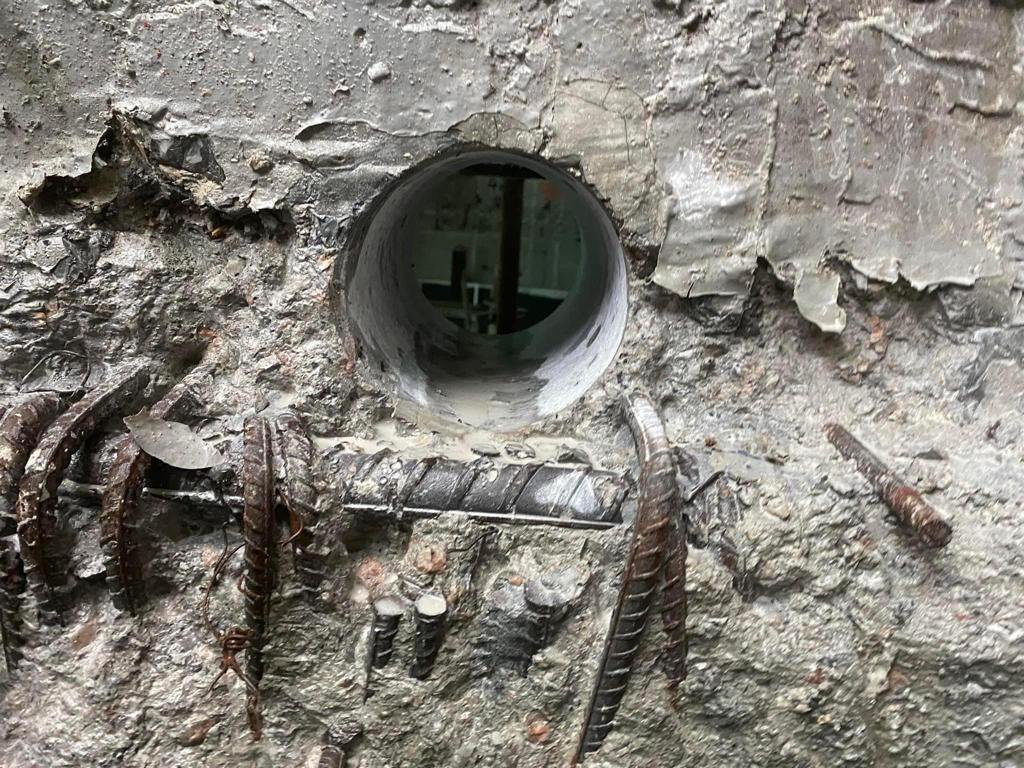
Construction is one of the most essential industries in the world, shaping the environments in which we live, work, and play. From towering skyscrapers in bustling cities to rural roads connecting small communities, the construction sector is responsible for bringing ideas and designs to life. It plays a key role in economic development by creating infrastructure, generating employment, and supporting other industries such as real estate, manufacturing, and technology. The 混凝土切割 of construction involves careful planning, skilled labor, advanced machinery, and the use of innovative materials to ensure that structures are safe, sustainable, and durable. Without construction, society would lack the buildings, bridges, and systems that form the backbone of modern life.
The history of construction dates back thousands of years, with humans continually innovating to create stronger and more efficient structures. Ancient civilizations such as the Egyptians, Greeks, and Romans were pioneers in construction, creating architectural marvels that still stand today. The pyramids of Egypt, the Parthenon in Greece, and the Roman aqueducts are all examples of early engineering brilliance. Over time, construction methods evolved from simple stone stacking to more sophisticated techniques using bricks, mortar, and steel. The Industrial Revolution marked a turning point for the industry, as machines and new materials enabled faster and larger-scale projects. Today, technology continues to revolutionize construction, with modern tools like 3d printing, drones, and artificial intelligence making processes more efficient and precise.
The construction industry encompasses a wide range of projects, each with unique requirements and challenges. Residential construction involves building homes, apartments, and housing complexes to meet the growing demand for living spaces. Commercial construction focuses on creating offices, shopping malls, hotels, and other business facilities, while industrial construction builds factories, warehouses, and power plants that drive economic activity. Infrastructure construction, which includes roads, bridges, tunnels, and airports, is essential for transportation and communication between communities. Each of these categories requires different skills, equipment, and planning, but all share the common goal of creating safe and functional spaces.
A successful construction project relies on careful planning and collaboration among various professionals. Architects design the structure, engineers ensure its stability, and project managers coordinate resources and schedules. Skilled tradespeople, such as carpenters, electricians, plumbers, and masons, bring the designs to reality. Safety is a top priority at every stage, as construction sites can be hazardous environments. Strict safety protocols, protective gear, and regular inspections are necessary to prevent accidents and protect workers. Additionally, construction projects must comply with local building codes and environmental regulations to ensure quality and sustainability.
Technology is transforming the construction industry in remarkable ways. Building Information Modeling (BIM) allows architects and engineers to create detailed 3d models that help identify potential problems before construction begins. Drones provide aerial views of job sites, improving monitoring and safety. Robotics and automation are being used to speed up repetitive tasks like bricklaying or concrete pouring, reducing labor costs and increasing efficiency. 3d printing is emerging as a revolutionary method for creating building components or even entire structures with minimal waste. These innovations not only save time and money but also improve the overall quality of construction projects.
Sustainability has become a major focus in modern construction. With growing concerns about climate change and resource depletion, builders are adopting eco-friendly practices and materials. Green building techniques, such as using renewable energy sources, recycled materials, and energy-efficient designs, help reduce the environmental impact of construction projects. LEED (Leadership in Energy and Environmental Design) certification has become a standard for evaluating sustainable buildings. Additionally, concepts like smart buildings, which use sensors and automation to optimize energy consumption, are becoming more common. By prioritizing sustainability, the construction industry contributes to a healthier planet while meeting the needs of future generations.
Despite its importance, the construction industry faces several challenges. Labor shortages, rising material costs, and supply chain disruptions can delay projects and increase expenses. Economic fluctuations also affect construction demand, with recessions often leading to fewer projects. Additionally, the industry must adapt to stricter environmental regulations and the need for faster, more efficient building methods. However, these challenges also present opportunities for innovation. Companies that embrace technology, train skilled workers, and adopt sustainable practices are better positioned to thrive in a competitive market.
In conclusion, construction is far more than the act of assembling bricks and beams; it is the art and science of creating the spaces where life unfolds. It connects people, drives economic growth, and reflects the progress of society. From ancient monuments to futuristic skyscrapers, construction represents humanity’s endless pursuit of improvement and innovation. As technology advances and sustainability becomes more critical, the construction industry will continue to evolve, shaping a world that is stronger, smarter, and more sustainable for generations to come.
