
Introduction to Self-Storage
In today’s fast-paced world, managing space has become a real challenge for both households and businesses. Whether it’s moving to a new home, 24小時迷你倉 , or simply trying to declutter, self-storage has emerged as an essential solution. Self-storage facilities provide safe, flexible, and affordable storage options for people who need extra space for their belongings. Unlike traditional storage, modern self-storage offers a variety of unit sizes, security features, and convenient access, making it an increasingly popular choice across the globe.
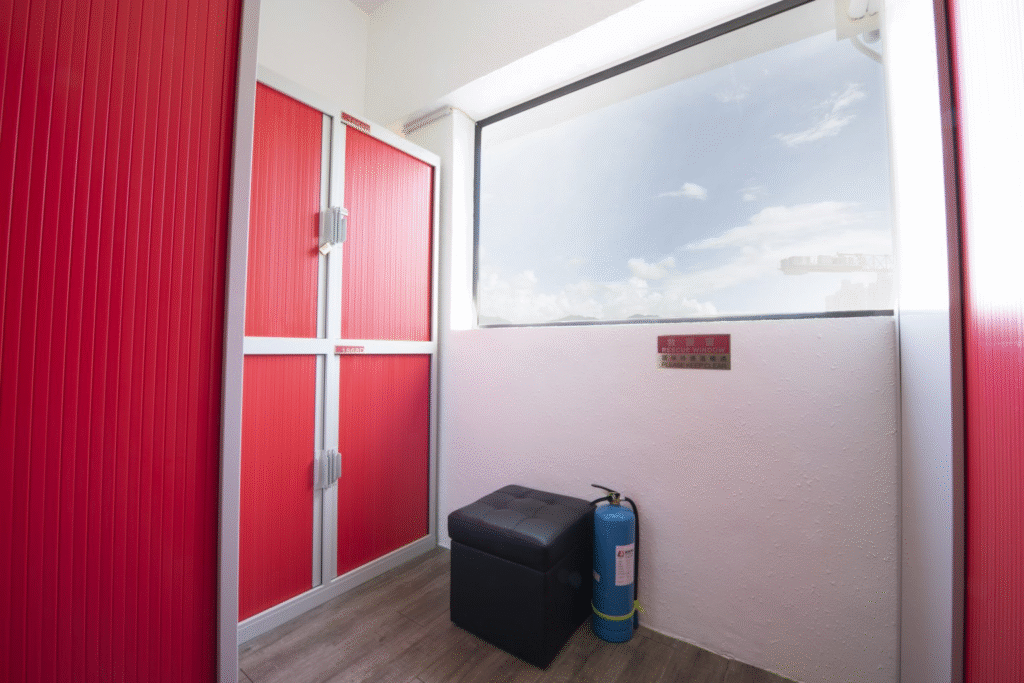
The concept of Self-Storage
At its core, self-storage refers to renting individual units within a facility where customers can store personal or business belongings. These units come in various sizes, ranging from small lockers to large garage-sized spaces, accommodating everything from a few boxes to entire households of furniture. Customers typically rent on a monthly basis, giving them flexibility to use the storage unit for short-term or long-term needs. With features like 24/7 access, climate control, and advanced security, self-storage has evolved into a highly efficient solution for modern space management.
Benefits of Using Self-Storage
One of the main benefits of self-storage is convenience. People moving between homes can store their possessions temporarily, while businesses can use storage for excess inventory, documents, or equipment. It also helps during life transitions such as divorce, retirement, or welcoming a new baby, when space at home is suddenly limited. Another key advantage is security; most facilities include CCTV surveillance, gated entry, and individual locks. Additionally, climate-controlled units protect sensitive items like electronics, antiques, or artwork from humidity and extreme temperatures. Overall, self-storage provides peace of mind by keeping possessions safe, accessible, and well-organized.
Types of Self-Storage Units
Modern self-storage facilities offer different types of units to suit diverse needs. Standard storage units are ideal for everyday household goods, while climate-controlled units are specifically designed for items that require protection from weather and temperature fluctuations. Drive-up storage units allow renters to load and unload items directly from their vehicle, making them convenient for large or heavy belongings. There are also specialty units for vehicles, boats, and RVs, providing secure long-term parking options. Some facilities even offer portable storage, where containers are delivered to your home, filled at your convenience, and then stored offsite.
Residential Uses of Self-Storage
For homeowners and renters, self-storage is especially useful during life changes. Moving to a new home often comes with overlapping timelines, and having a storage unit ensures belongings are safe until the transition is complete. Families who are downsizing can store sentimental possessions or seasonal items like holiday decorations and sports gear without cluttering the house. College students also rely on self-storage when moving between dorms, as it saves the hassle of transporting items back and forth during summer breaks. Even for everyday living, self-storage helps maintain a clean, minimalist home by offering an extension of your closet, garage, or attic.
Business Applications of Self-Storage
Businesses have increasingly turned to self-storage for cost-effective space management. Small companies and startups use storage units to keep excess stock, marketing materials, or equipment without paying high commercial rental fees. Retailers benefit by storing seasonal inventory or promotional products, while e-commerce businesses often rely on storage for order fulfillment. Even large corporations may use self-storage for archiving documents or safeguarding equipment during office relocations. Many facilities provide added services such as delivery acceptance, shelving, and business-friendly access hours, making them a practical extension of office space.
Security Features in Self-Storage
One of the biggest concerns for anyone considering self-storage is the safety of their belongings. To address this, modern facilities incorporate advanced security systems. These include 24-hour CCTV monitoring, gated access with personal PIN codes, motion detectors, and individual locks on each unit. Many locations also provide on-site staff and security patrols. Some facilities use biometric access and alarmed units for maximum protection. By offering these features, self-storage facilities ensure renters have confidence that their valuables are well-protected at all times.
Cost of Self-Storage
The price of self-storage depends on several factors, including location, unit size, and additional features like climate control. Urban areas tend to be more expensive due to higher demand and property costs, while suburban or rural facilities often offer lower prices. Units can range from small lockers at affordable monthly rates to larger garage-sized spaces with higher costs. Some companies also offer flexible contracts, discounts for long-term rentals, and promotions for first-time customers. When compared to the cost of larger homes or commercial leases, self-storage is often a more economical option.
Tips for Choosing the right Self-Storage Unit
Selecting the right self-storage unit involves assessing your specific needs. First, determine the amount of space required by taking inventory of the items you plan to store. Choose a facility that offers flexible access hours and is conveniently located near your home or business. Consider whether climate control is necessary for your belongings, and always check the facility’s security measures. Reading customer reviews and visiting the facility in person can also help you make an informed decision. Finally, understand the rental agreement clearly, including insurance options for additional protection.
The future of Self-Storage
The demand for self-storage continues to grow worldwide, driven by urbanization, smaller living spaces, and the rise of e-commerce. Innovations in the industry are shaping its future, with facilities introducing mobile apps for digital access, online booking, and real-time unit monitoring. Eco-friendly practices such as solar-powered lighting and sustainable building designs are becoming common. Additionally, portable and on-demand storage services are gaining popularity, allowing renters to manage storage from their doorstep. As lifestyles continue to evolve, self-storage will remain a vital resource for managing space efficiently.
Conclusion
Self-storage has transformed the way individuals and businesses handle their space challenges. With its flexibility, affordability, and security, it provides a practical solution for managing possessions during life transitions, business operations, or simply everyday living. From climate-controlled units to vehicle storage, the options are wide-ranging and designed to meet diverse needs. As the industry continues to innovate and expand, self-storage will remain a reliable partner in helping people achieve organized, clutter-free, and stress-free lives.
