
When selecting piping for high-pressure systems, Schedule 80 pipe is a popular choice due to its thicker wall and increased strength. Across North America, professionals use it in industries ranging from chemical processing to water treatment. A key decision during planning is whether to use metal or plastic Schedule 80 pipe—each material offers distinct advantages depending on the system requirements.
Metal Schedule 80 Pipe: Strength and Heat Resistance
Metal Schedule 80 pipes, typically made from steel or stainless steel, are valued for their ability to withstand high temperatures and mechanical stress. These pipes are commonly used in industrial settings where thermal expansion and structural demands are a concern. However, metal pipes can be prone to corrosion over time, especially when exposed to certain chemicals or moisture without proper treatment or coatings.
They also tend to be heavier and require specialized tools for cutting, threading, and welding, which can increase installation time and cost.
Plastic Schedule 80 Pipe: Corrosion Resistance and Ease of Use
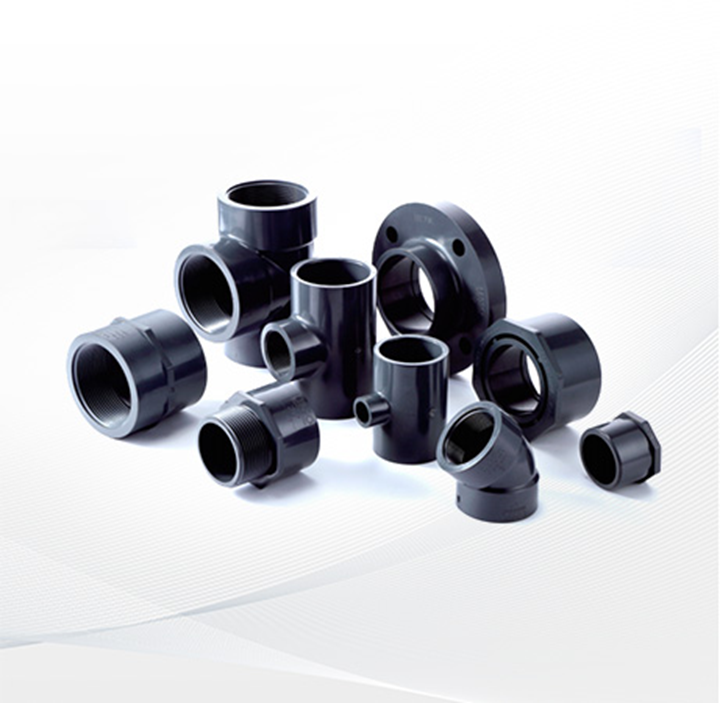
Plastic Schedule 80 pipe, such as the solutions offered by LESSO America, provides strong resistance to corrosion and a lighter weight for easier handling. These pipes are ideal for transporting a wide range of chemicals and liquids safely. Their smooth interior walls help maintain efficient flow and reduce the risk of buildup over time.
LESSO America’s plastic piping products meet strict performance standards, making them suitable for a variety of applications throughout North America. The ease of installation and low maintenance requirements make plastic Schedule 80 a practical choice for many contractors and engineers.
Conclusion
Choosing between metal and plastic for a Schedule 80 pipe system depends on the specific needs of the project. LESSO America offers dependable plastic Schedule 80 pipe that serves a wide range of industries with durability and reliability. For professionals across North America, understanding material performance is the first step toward building a safer and longer-lasting system.
